
29,000 Customers. Pipeline on WhatsApp.
What the founder wanted to work on next
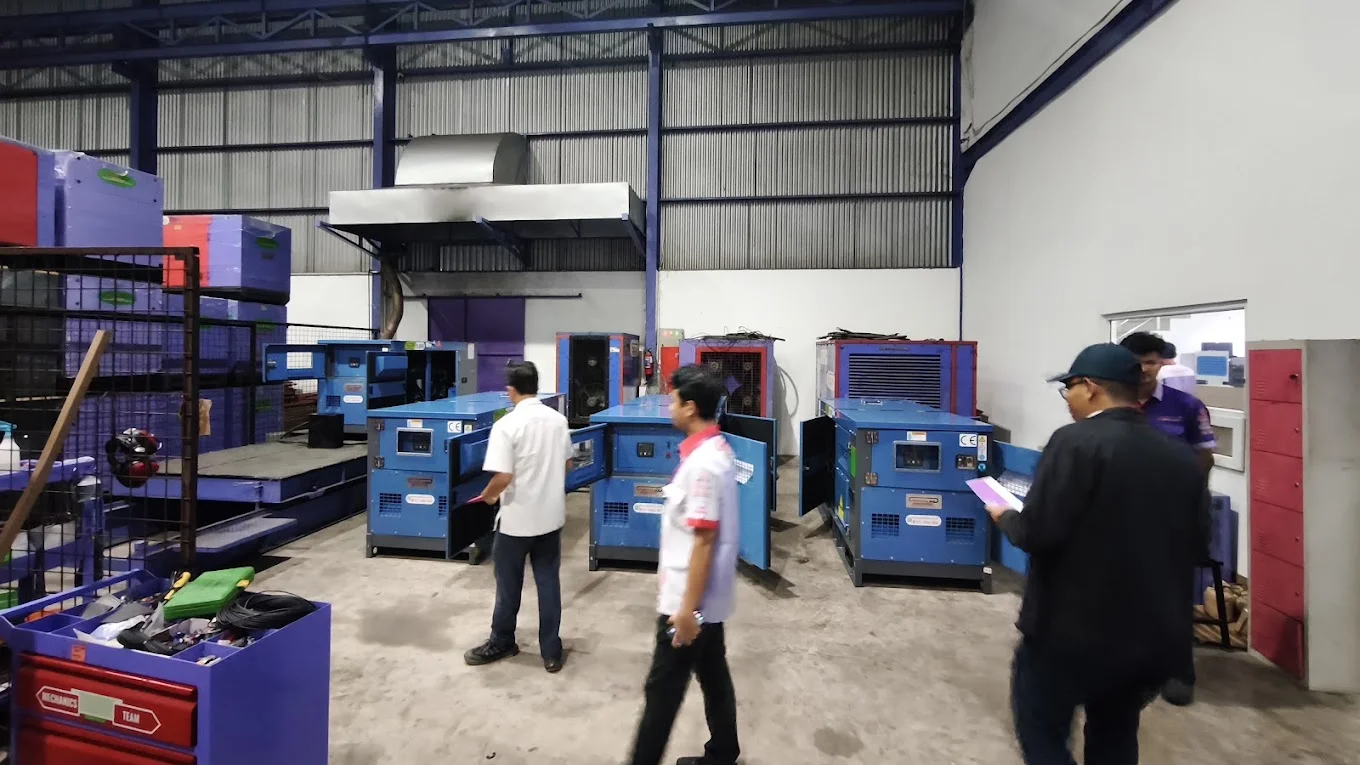
The company has been selling and servicing generator sets across Indonesia since the early 2010s — 29,000 customers, 50 employees, a strong technical reputation. The business was growing. But the directors couldn’t see their own company clearly. Pipeline lived in WhatsApp groups. Customer history lived in salespeople’s heads. When someone left, the relationships left with them.
The founders didn’t want a new system for the sake of technology. They wanted to stop being the bottleneck in their own company — to see what was happening across sales, service, and stock without calling three different people.
Where they were stuck
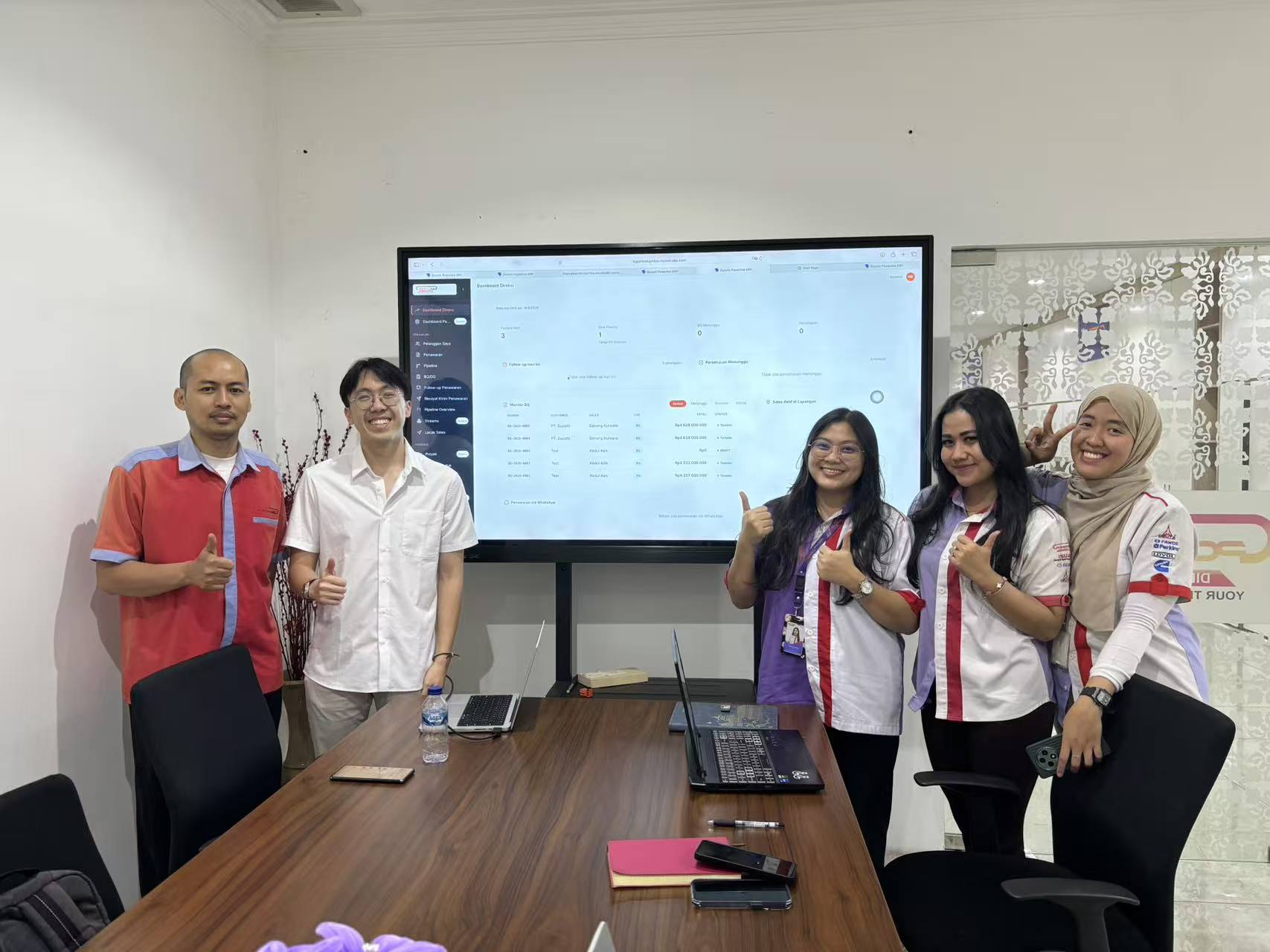
Sales tracking lived in WhatsApp group chats — each group a silo. Two legacy systems ran in parallel, not connected to each other. Quotations were scattered across email threads. Follow-ups were missed routinely. When a salesperson left, thirteen years of customer relationships walked out the door.
Cross-team coordination between Sales and Service ran on verbal communication — survey visits, technician assignments, cost calculations, all without an audit trail or approval status tracking. The directors’ only way to understand what was happening in their own company was to call people and ask.
How we worked together through the CGA
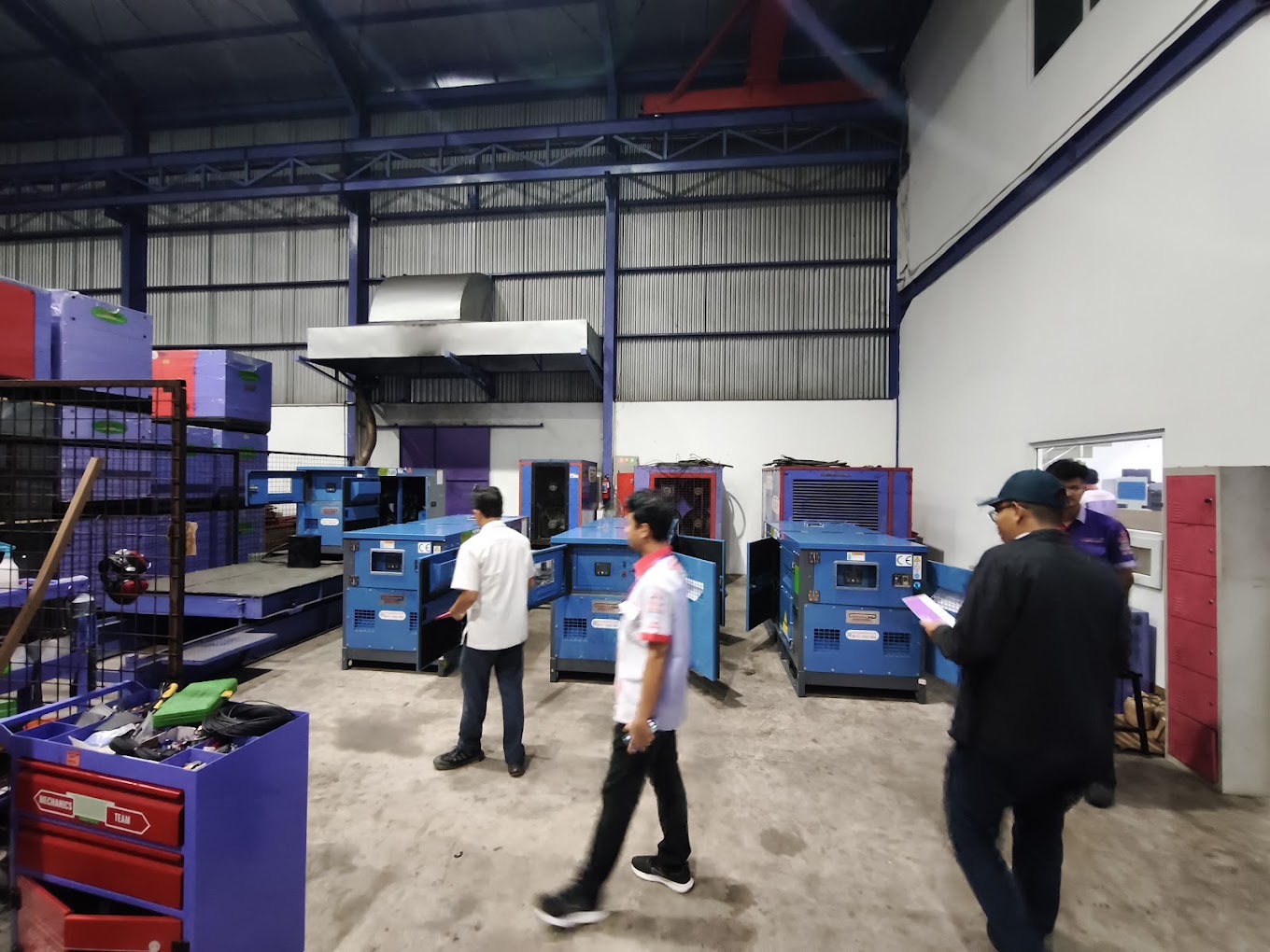
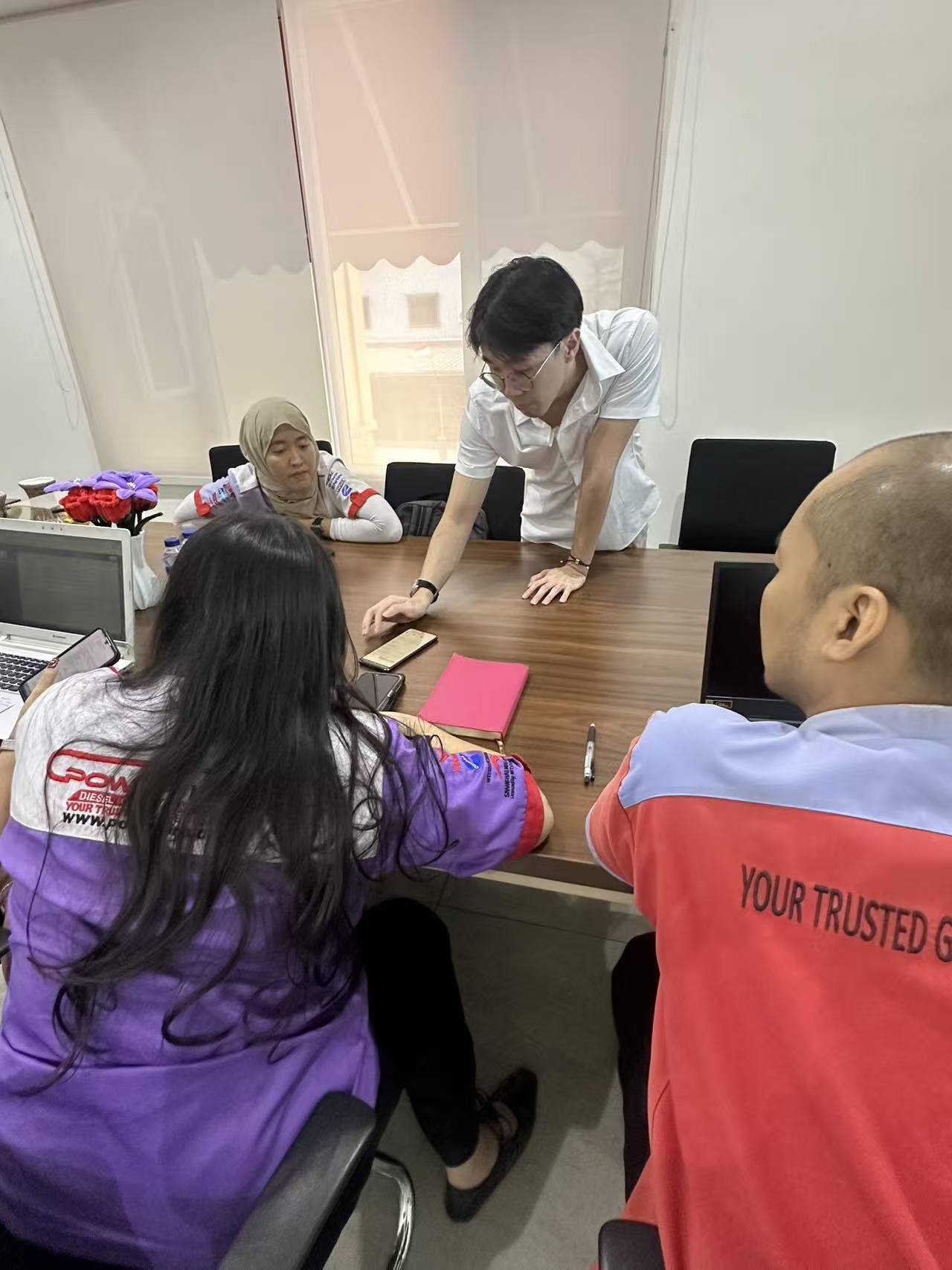
We started with a multi-day operational walkthrough — observing how information actually moved between Sales, Service, and Stock. We interviewed each department, mapped every handoff, and identified where decisions stalled. Three revision meetings followed to validate the process maps with the leadership team before any system design began.
What emerged was a clear picture: six departments serving the same customers, each operating as an independent silo. The coordination gap wasn’t a technology problem — it was a visibility problem. The directors had the strategy. The teams had the skills. What was missing was the layer between them.
The build
A unified web and mobile platform covering the entire pre-sales workflow from first contact to purchase order. Phase 1 delivered in 24 weeks.
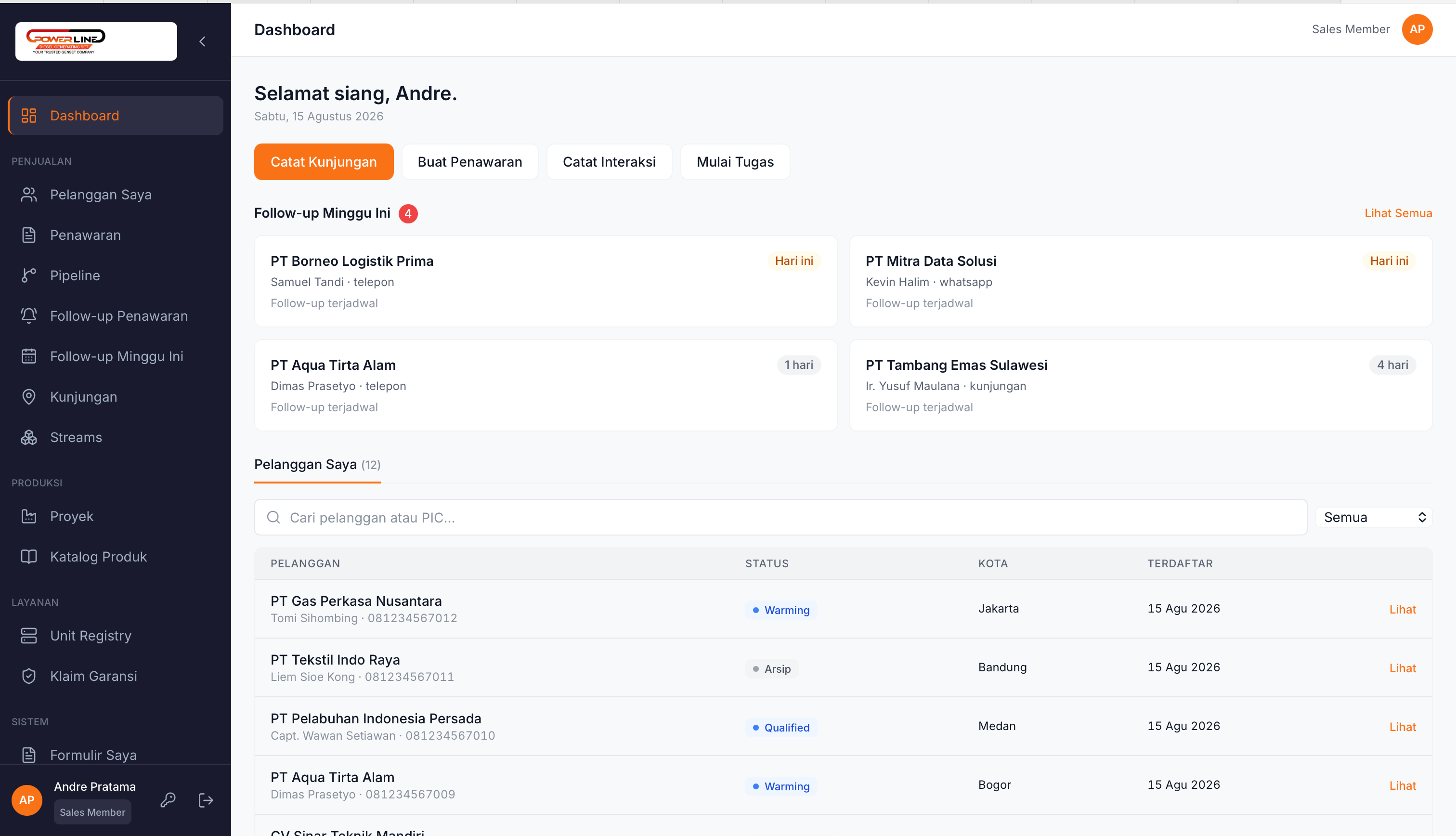
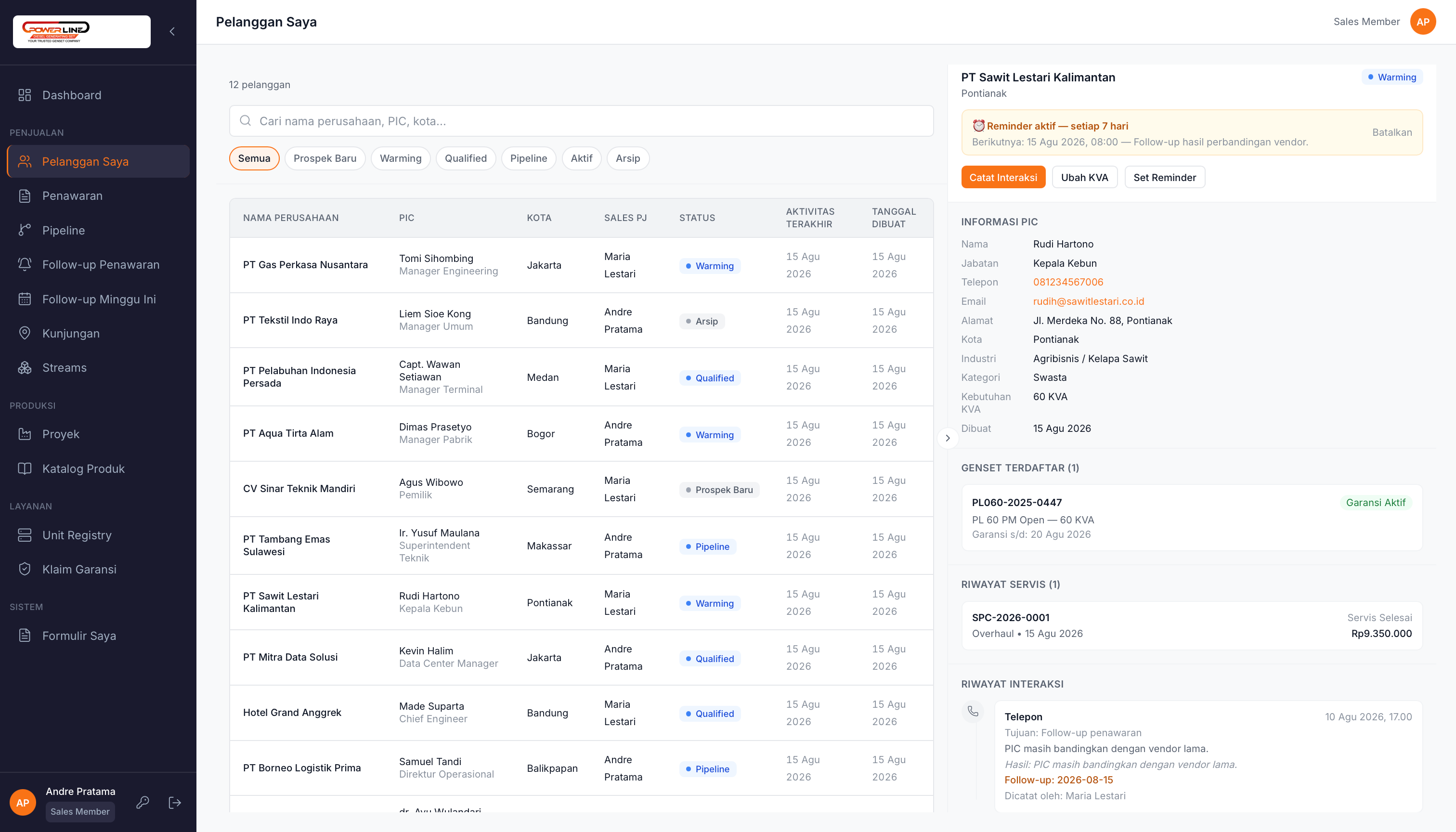
The system starts with multi-channel prospecting — mass email campaigns, individual follow-ups, inbound routing — all flowing into a single customer database where every interaction is logged with timestamps and context. No more scrolling WhatsApp to find what was said to whom.
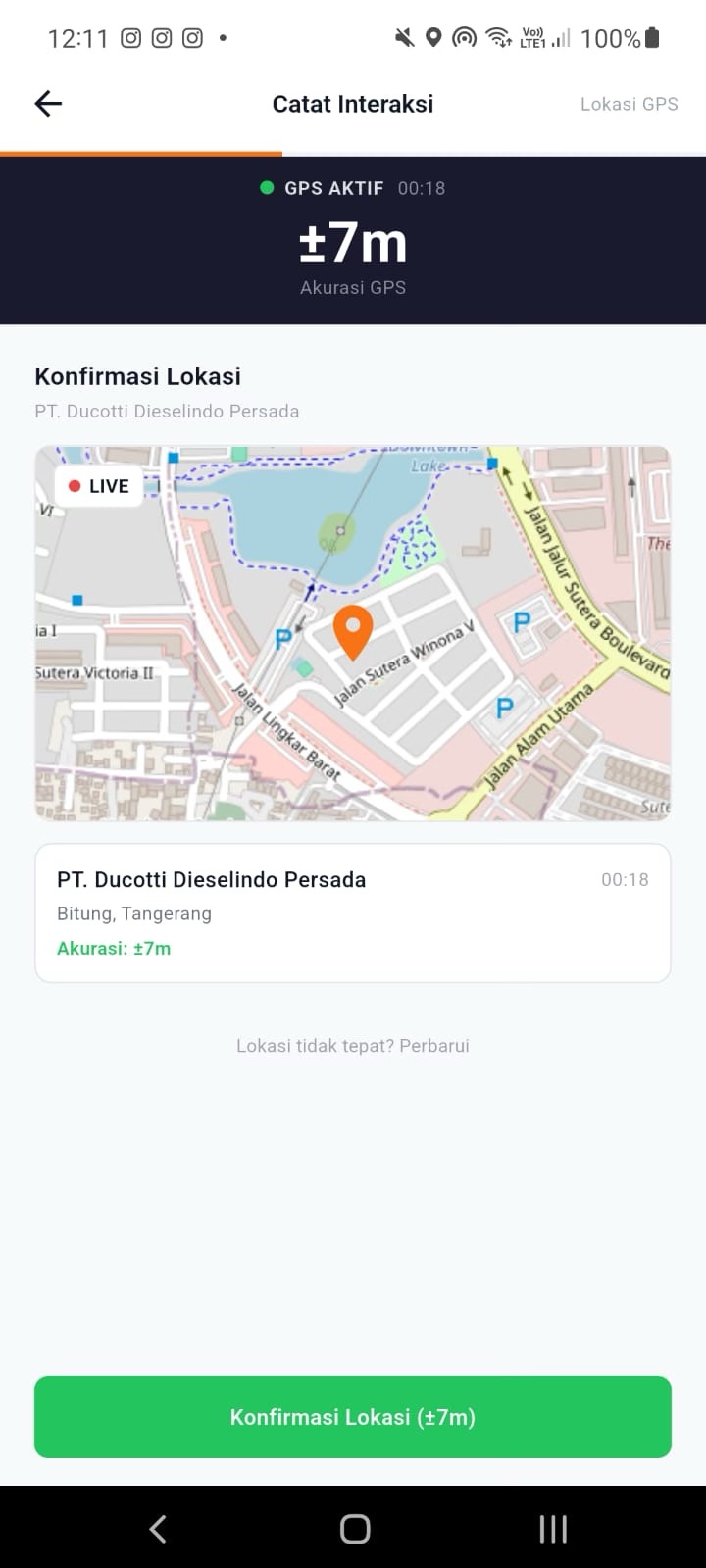
Sales reps log visits with live GPS verification and location photos. Configurable follow-up reminders fire at 08:00 each morning. Prospect evaluation workflows auto-alert the Sales Head and Director when leads go cold.
For pipeline deals requiring site surveys, a dual-approval workflow coordinates Sales and Service without WhatsApp. Sales creates the trip authorization with cost estimates. Simultaneously, the Service Manager assigns a technician. Both approvals must clear before the visit proceeds. The technician’s technical report goes to the Service Manager only — Sales sees status, not the detail.
BQ/DQ cost calculations moved inside the system with full version history. Official quotations generate as branded PDFs with auto-numbering, part names only (no part numbers — so customers can’t cross-shop), and the complete quotation history per customer.
Eight user roles — Direktur, Sales Head, Sales Member, Service Manager, Teknisi, Service Member, Stock Head, Stock Member, Super Admin — each seeing exactly what they need.
The outcome
The Director now sees pipeline value, field locations, and pending approvals on one screen — no more calling three people to understand what’s happening. Every customer interaction is logged automatically. When a salesperson leaves, the relationships stay with the company.
The system connects 8 user types across all 6 departments through 1 centralized database syncing 13 years of history for 29,000+ clients. Daily follow-up lists with automated reminders. Customer visits logged with live GPS and photos. Branded PDF quotes with auto-numbering and full history. Dual-approval workflows coordinating Sales and Service for site surveys — without WhatsApp.
It scales from 5 salespeople to 50 without system changes.
Tell us which one is yours.
One short call at a time that suits you, or forward this to whoever runs the operation with you.