
22 Houses to Sell. Nothing to Sell Them With.
What the director wanted to work on next
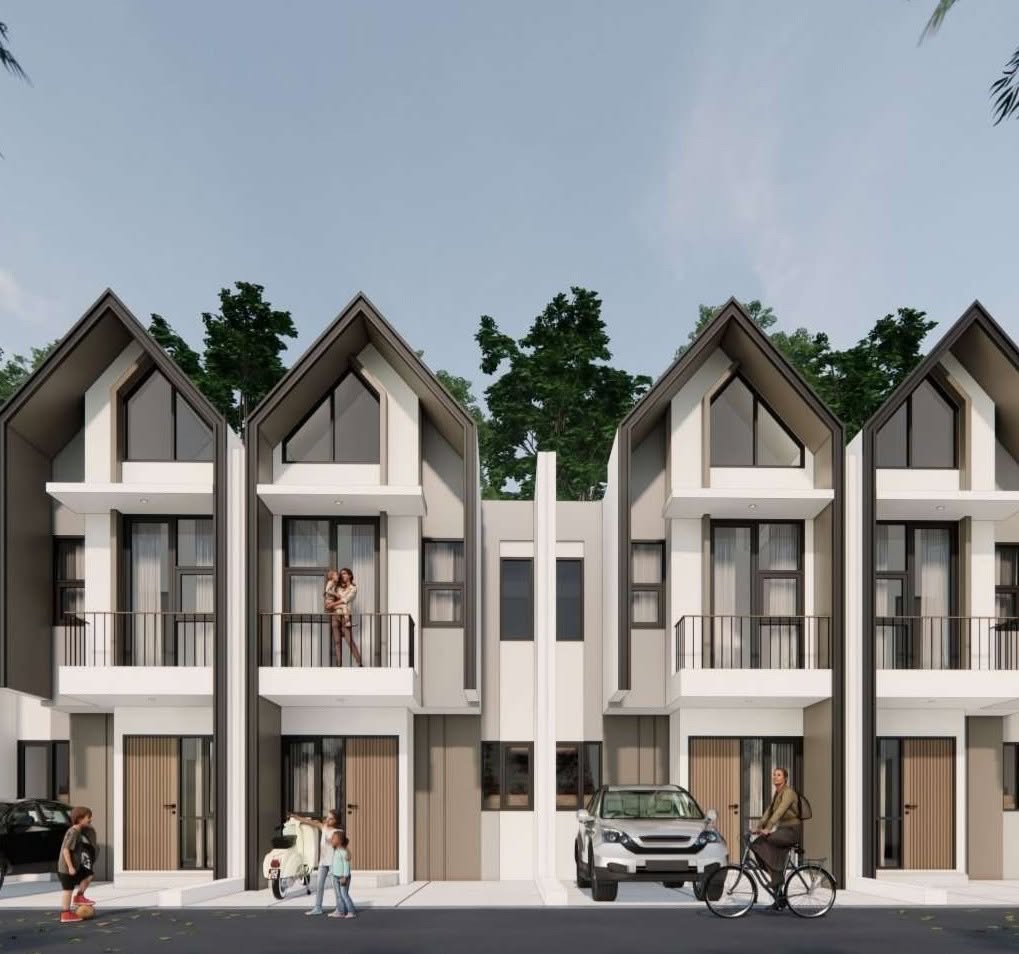
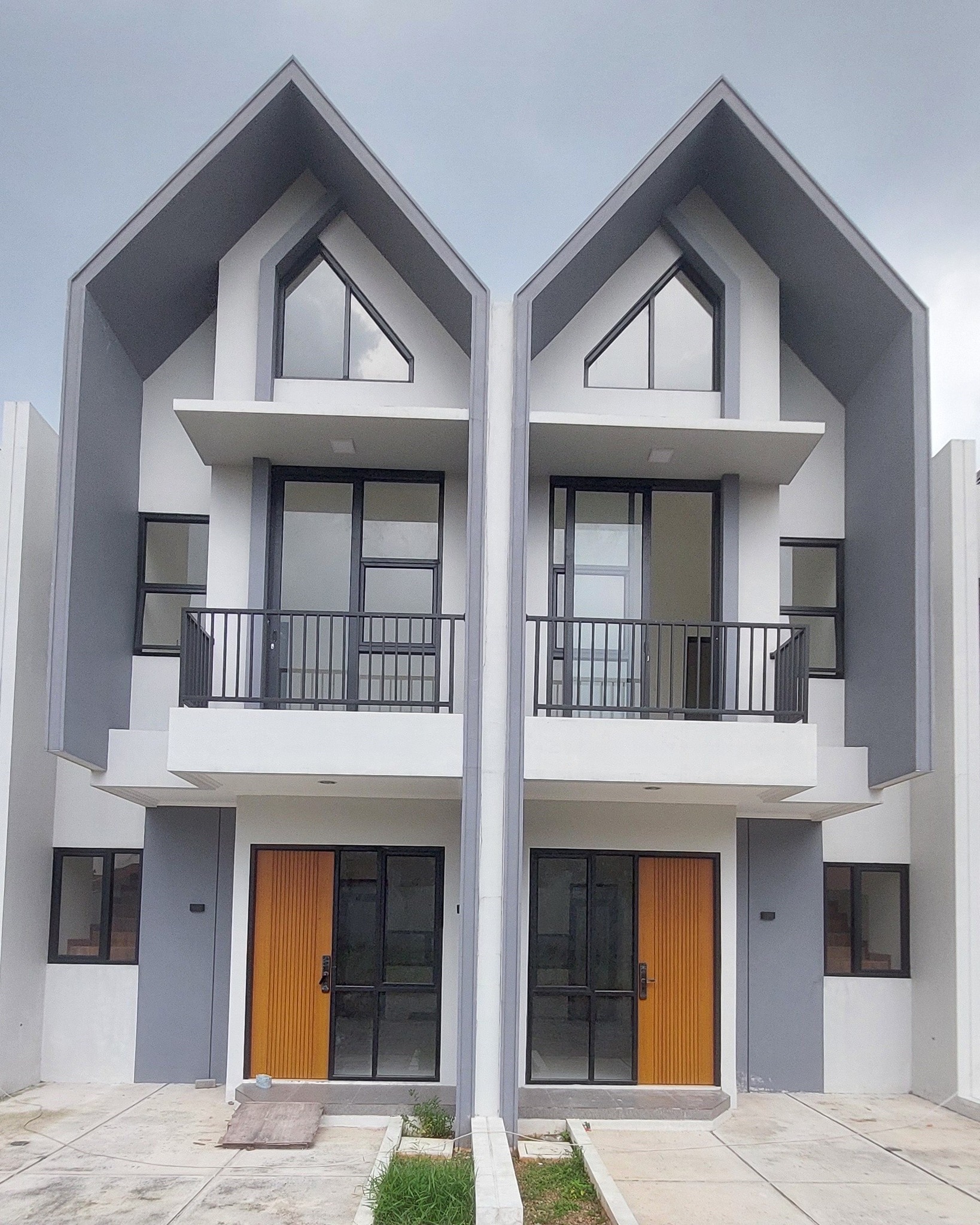
NaraHome (PT. Rado Anugerah Propertindo) builds and sells residential clusters in Pamulang, Tangerang Selatan — on the BSD corridor of Greater Jakarta. Operating since 2024, currently selling out a 22-unit cluster. The director described his situation bluntly: he had no proper system. Not a bad one — none. Unit sales, buyer payments, KPR processing, agent commissions: all of it lived in memory, chat threads, and files. He couldn’t reliably see what was sold, what was still available, where each buyer sat in the process, or what each agent was carrying.
They knew what was wrong. What they lacked was someone to actually build the thing.
Where they were stuck
Every moving part of the sales operation ran without a system. Unit availability was whatever each person remembered. Booking fees and buyer payment stages were tracked in chats and spreadsheets. KPR documents were chased with the bank by hand. Agent commissions were calculated when someone sat down and worked them out. Construction progress reached buyers when someone remembered to send it — and handover checklists and defect claims lived in files.
The cost of all that was visibility. The director couldn’t answer his own questions about his own project without calling people: which units are left, where does buyer X stand, what has agent Y actually closed. Nothing was written down anywhere he could see it.
How we worked together
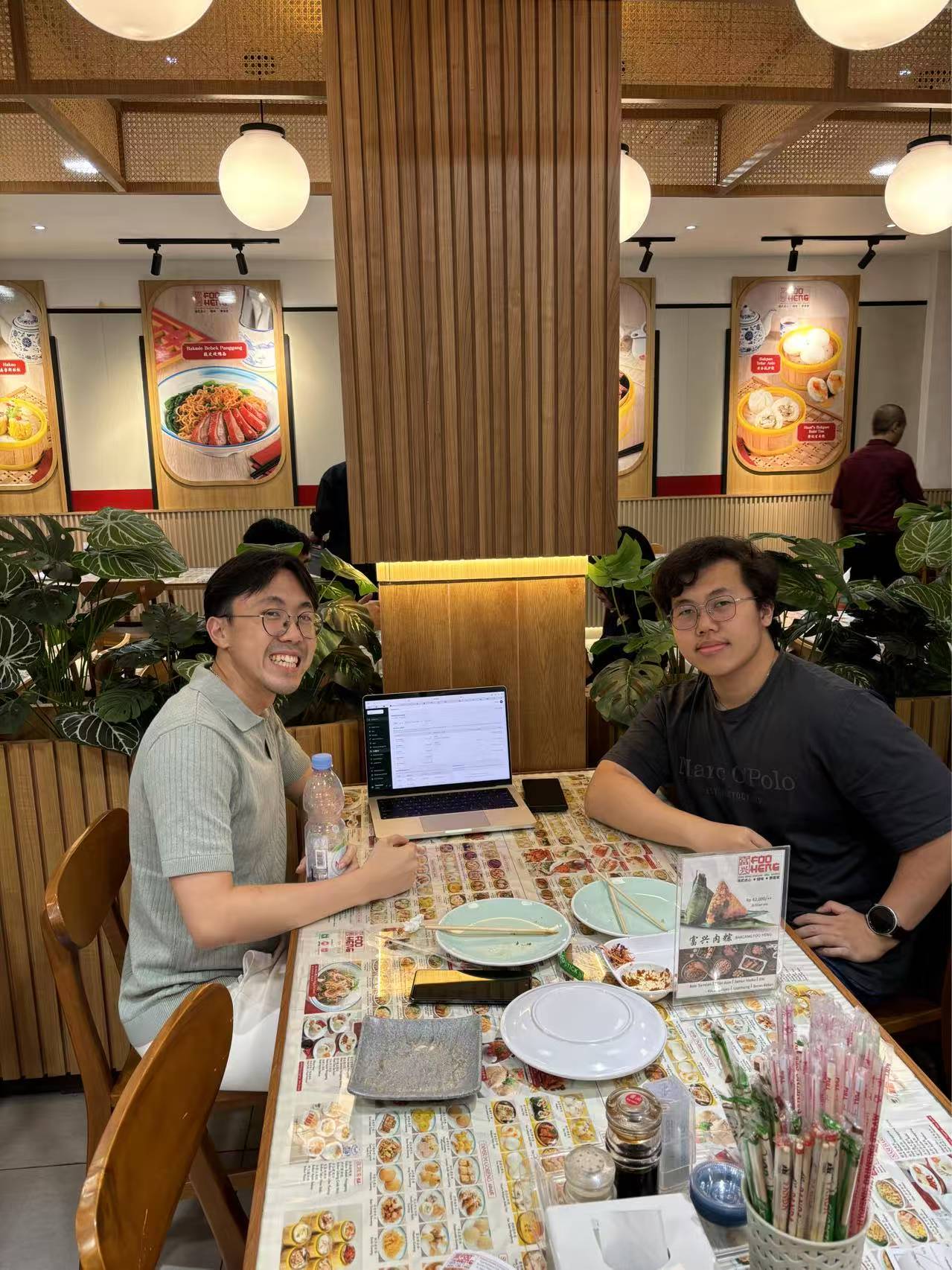
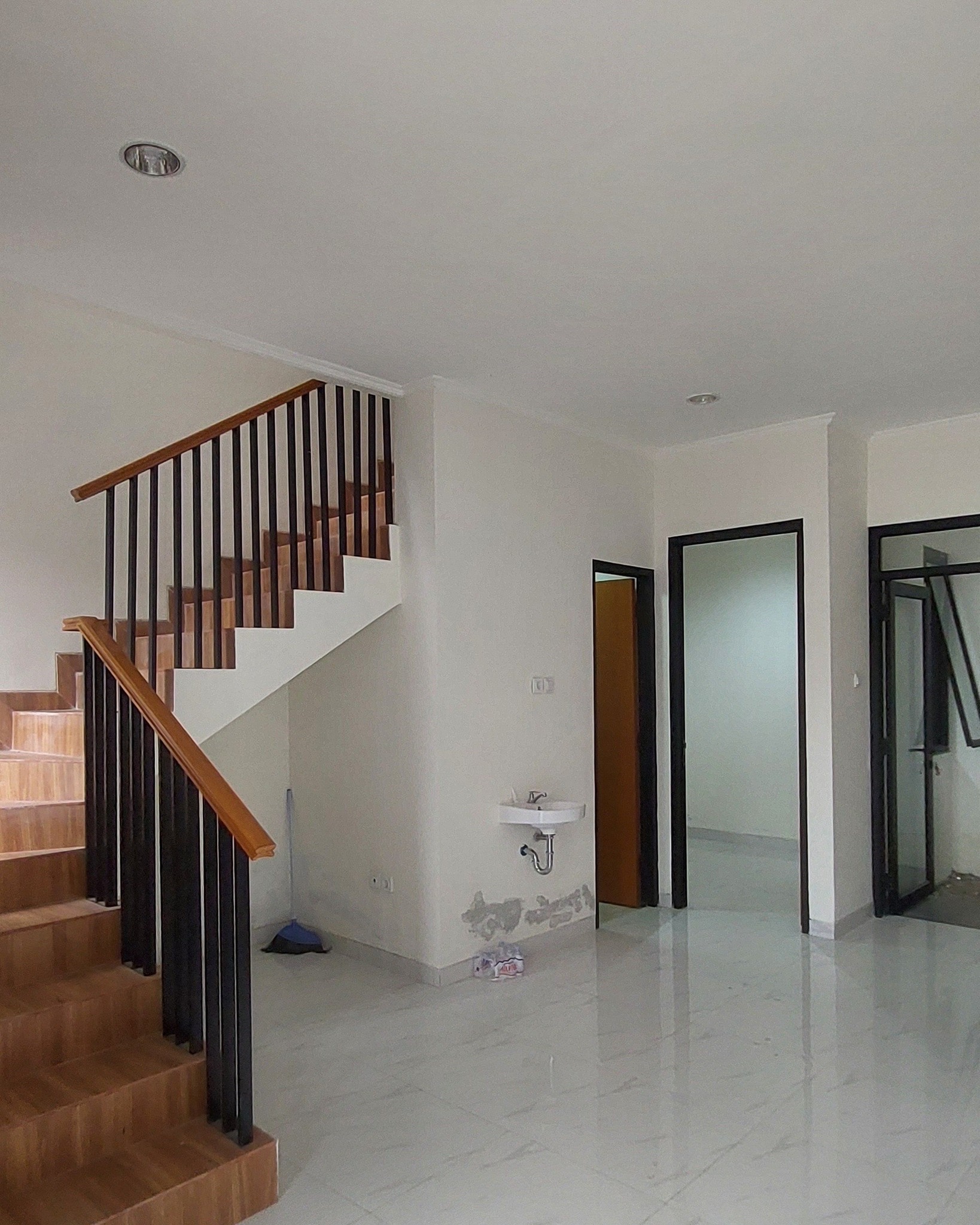
No diagnostic workshops, no process-mapping marathons. The director laid out his problems directly, and we went to see the operation for ourselves — a site visit to the cluster in Pamulang, walking the units, listening to how a sale actually moved from first chat to handover.
The system was designed from what that visit surfaced: a sales operation with no shared record of truth. Every module maps back to a question the director couldn’t answer — what’s available, what’s sold, who owes what, where every buyer and agent stands.
The build
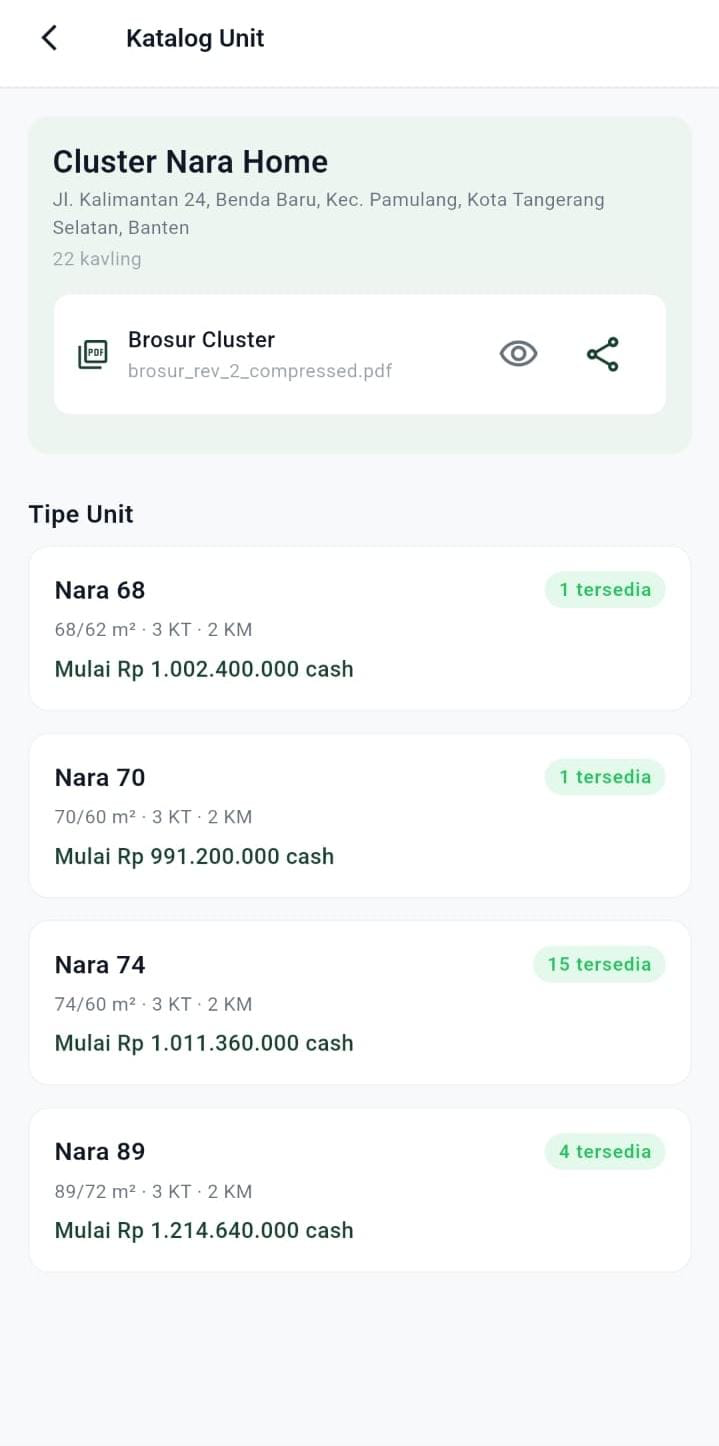
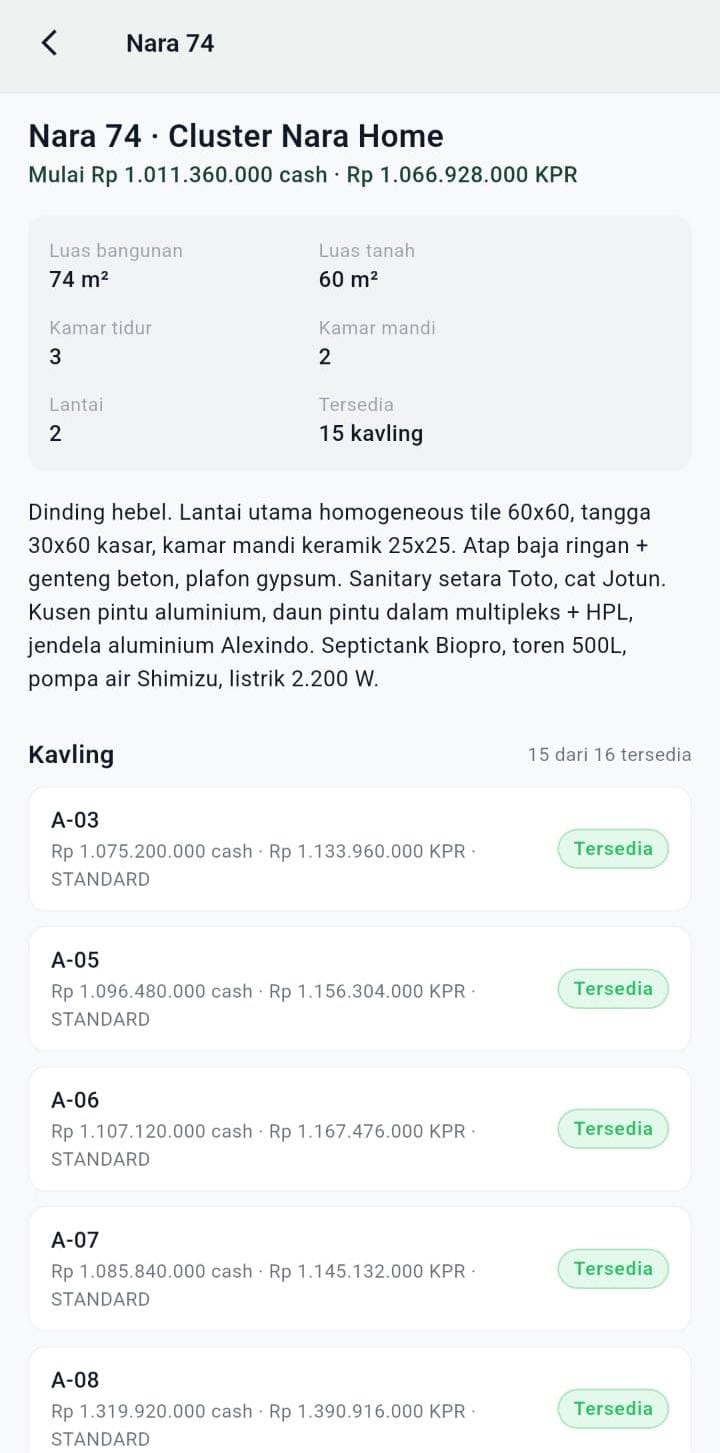
A mobile and desktop system covering the sales lifecycle end to end, delivered in 8 weeks. At its core sits the unit availability registry — every kavling with its type, pricing for cash and KPR, current status, and the cluster brochure attached. What’s sold and what’s left is no longer a matter of memory.
Booking fees and buyer payments are tracked to the rupiah. The KPR workflow chases documents with the bank inside the system, so nothing stalls in a silent chat. Agent commissions are calculated automatically instead of by hand at month-end.
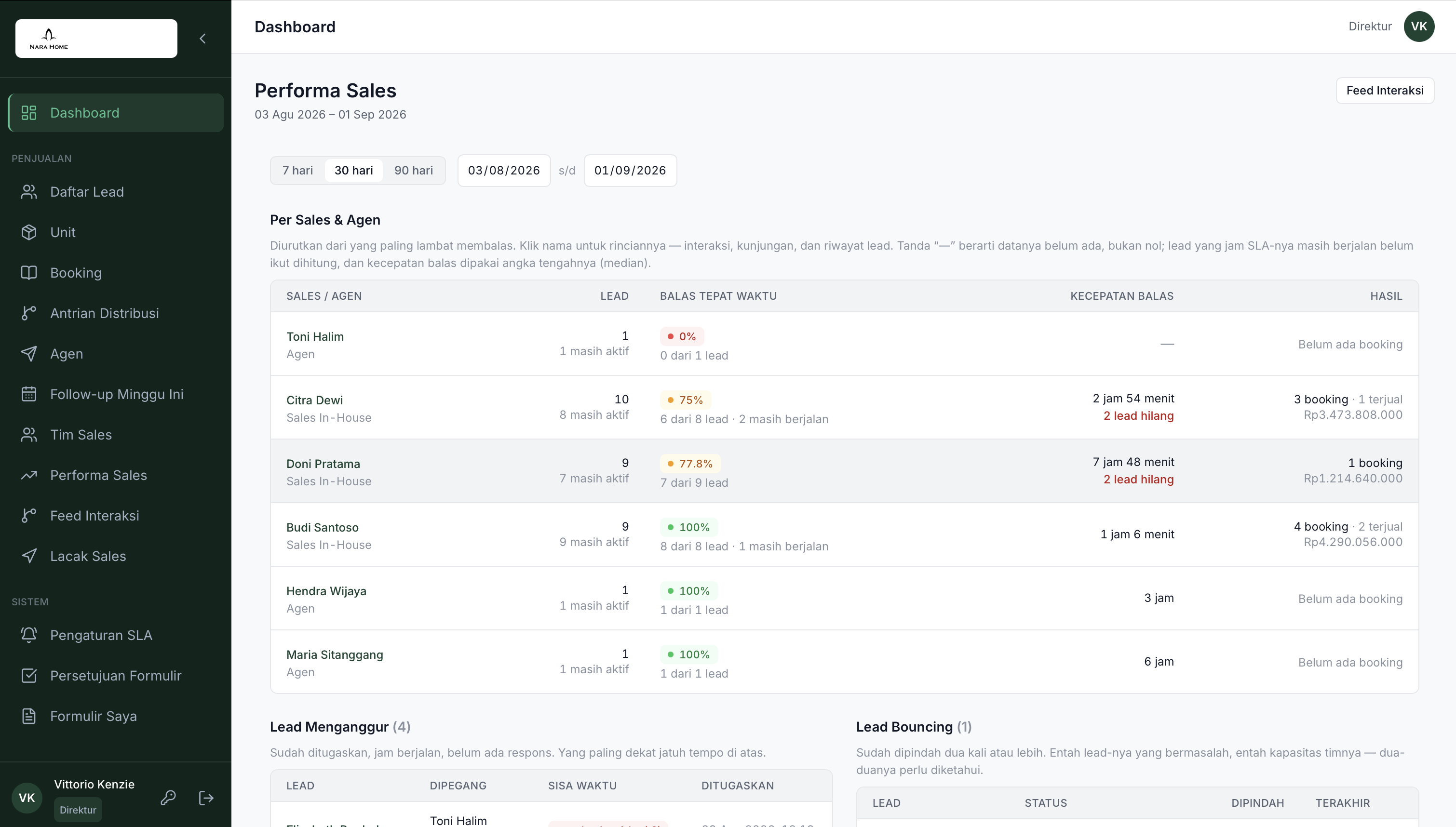
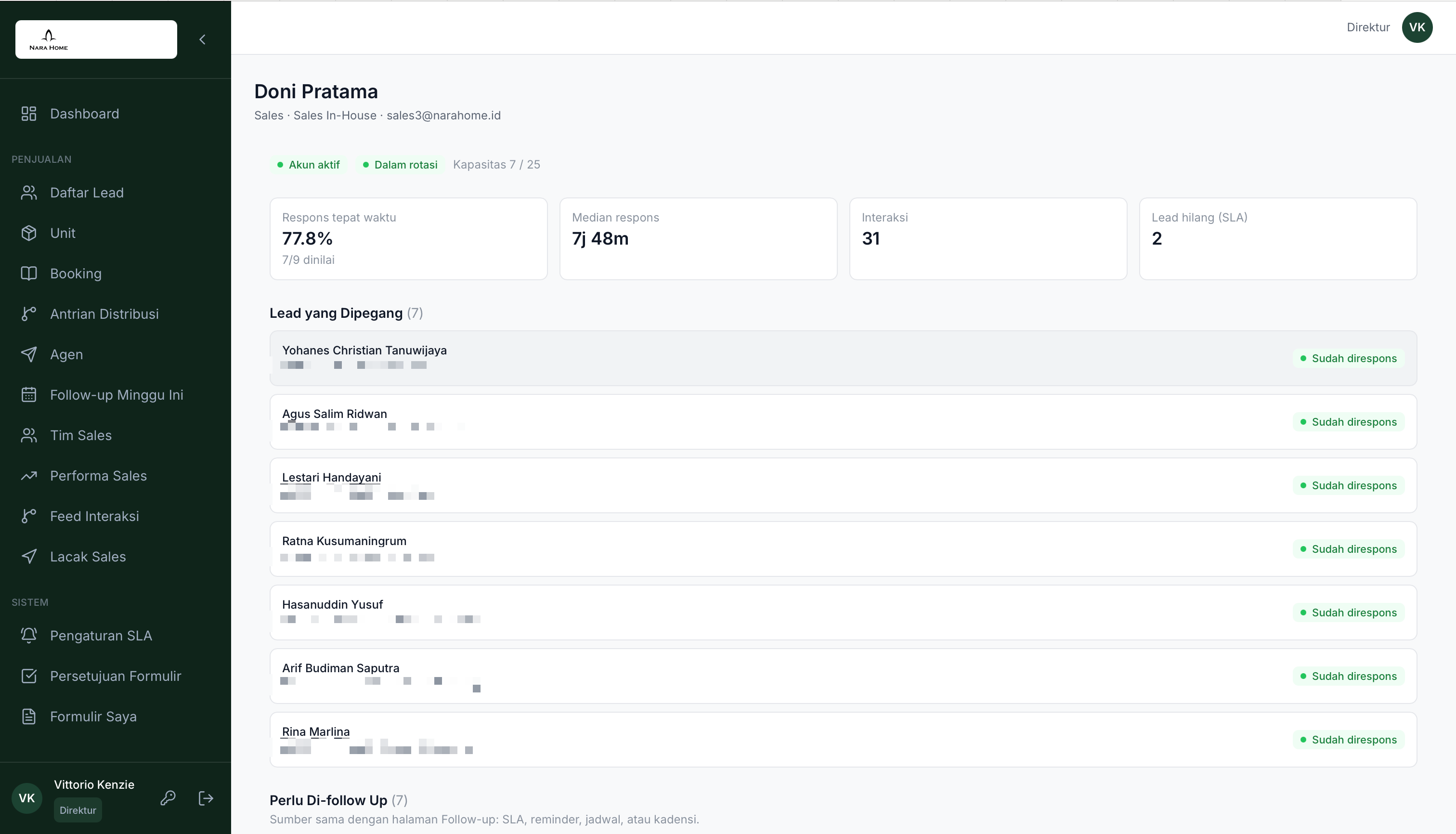
After the sale, the system keeps working: construction progress reported to buyers, handover checklists, and post-handover defect claims with a paper trail. Underneath it all, a CRM runs lead distribution with response-time SLAs, follow-up queues, and Maps integration for the cluster location.
Three user roles — Direktur sees everything, Sales Head sees the team, Sales sees their own pipeline.
The outcome
Eight weeks after a conversation about a problem, the director opened a system that showed him his own project: what’s sold, what’s available, where every buyer sits, what every agent is carrying — across all 22 units, on his phone and his desk.
Commissions calculate themselves. KPR documents are chased in the system, not in chats. Buyers get construction updates without anyone remembering to send them. Handover and defect claims have a paper trail. The sales operation runs on the system instead of on memory.
The client’s own read: it finally feels like a proper system — and changes to fit how they actually work don’t turn into a headache.
Tell us which one is yours.
One short call at a time that suits you, or forward this to whoever runs the operation with you.